Can CNC Machining Be Used for Electronic Component Manufacturing?
Hey there! I'm a supplier in the CNC machining industry, and I often get asked if CNC machining can be used for electronic component manufacturing. Well, the short answer is a resounding yes! In this blog, I'll dive into why CNC machining is a great option for making electronic components, share some examples, and give you the lowdown on how it all works.
First off, let's talk about what CNC machining is. CNC stands for Computer Numerical Control. It's a process where computers control machine tools to make precise parts. These machines can cut, drill, and shape materials like metal, plastic, and wood with amazing accuracy. This precision is super important when it comes to making electronic components, which often need to be really exact to work properly.
One of the big advantages of using CNC machining for electronic component manufacturing is the high level of precision it offers. Electronic components are usually very small and need to have tight tolerances. For example, a circuit board might need holes drilled with a tolerance of just a few thousandths of an inch. CNC machines can easily achieve this level of precision, ensuring that the components fit together perfectly and work as they should.
Another benefit is the versatility of CNC machining. You can use it to make all sorts of electronic components, from simple brackets and connectors to complex parts like heat sinks and enclosures. Whether you need a single prototype or a large production run, CNC machining can handle it.
Let's take a look at some specific examples of how CNC machining is used in electronic component manufacturing.
CNC Precision Turned Components
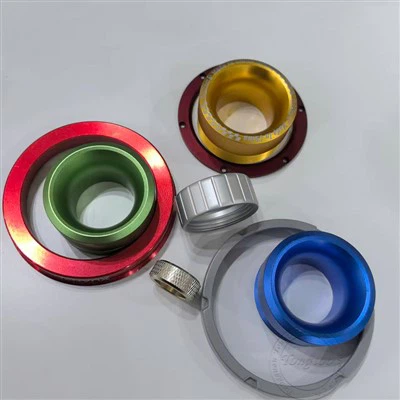
CNC precision turned components are widely used in the electronics industry. These components are made by rotating a workpiece on a lathe while a cutting tool removes material to create the desired shape. The precision of CNC turning allows for the production of parts with very smooth surfaces and accurate dimensions. For more information on CNC precision turned components, check out CNC Precision Turned Components.
CNC Turning Aluminum Parts
Aluminum is a popular material for electronic components because it's lightweight, strong, and has good thermal conductivity. CNC turning is a great way to make aluminum parts for electronics. It can create complex shapes and features with high precision. For instance, you can use CNC turning to make aluminum heat sinks, which help dissipate heat from electronic devices. To learn more about CNC turning aluminum parts, visit CNC Turning Aluminum Parts.


CNC Plasma Parts
CNC plasma cutting is another useful technique for making electronic components. It uses a high - energy plasma jet to cut through metal. This method is fast and can cut through thick materials. In the electronics industry, CNC plasma parts can be used for things like chassis and frames. You can find more details about CNC plasma parts at CNC Plasma Parts.
Now, let's talk about the process of using CNC machining for electronic component manufacturing.
The first step is to design the component. This is usually done using computer - aided design (CAD) software. The designer creates a 3D model of the part, specifying all the dimensions and features. Once the design is complete, it's converted into a set of instructions that the CNC machine can understand. These instructions tell the machine where to move the cutting tool, how fast to move it, and how much material to remove.
Next, the appropriate material is selected. As I mentioned earlier, materials like aluminum, brass, and plastic are commonly used for electronic components. The material is then loaded into the CNC machine, and the machining process begins. The machine follows the instructions from the CAD file to cut, drill, and shape the material into the desired component.
Throughout the process, quality control is crucial. The finished components are inspected to make sure they meet the required specifications. Any parts that don't meet the standards are either re - machined or discarded.
One of the challenges in using CNC machining for electronic component manufacturing is the cost. CNC machines are expensive to purchase and maintain, and the programming and setup can also be time - consuming. However, for large production runs, the cost per part can be quite low. And the high quality and precision of the components often make up for the initial investment.
Another challenge is the need for skilled operators. CNC machines require trained personnel to operate them properly. They need to understand how to program the machine, set up the tools, and troubleshoot any issues that may arise.
Despite these challenges, CNC machining remains a popular choice for electronic component manufacturing. It offers a level of precision and quality that is hard to match with other manufacturing methods.
If you're in the market for electronic components and are considering using CNC machining, I'd love to talk to you. Whether you need a small batch of prototypes or a large production run, I have the expertise and equipment to meet your needs. Just reach out, and we can discuss your project in more detail.
In conclusion, CNC machining is definitely a viable option for electronic component manufacturing. Its precision, versatility, and ability to produce high - quality parts make it a great choice for a wide range of applications in the electronics industry. So, if you're looking for a reliable way to make electronic components, give CNC machining a try.
References
- Various industry reports on CNC machining and electronic component manufacturing
- Technical manuals of CNC machines used in the process