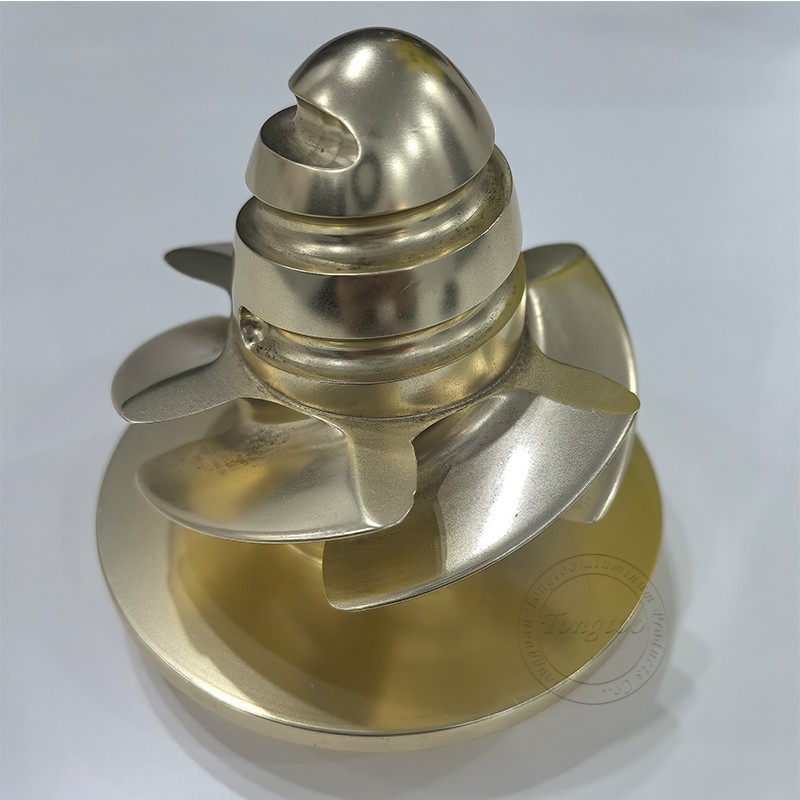
In precision manufacturing, the value of 5 Axis CNC Parts is not limited to tighter tolerances alone. What makes them important is their ability to machine complex surfaces, deep cavities, and multi-angle features in a single setup. This reduces repositioning error and improves consistency across the whole part. For buyers in medical, automotive, energy, and high-end equipment sectors, this matters because part geometry is becoming more integrated and more demanding. Compared with conventional three-axis machining, 5 Axis CNC Parts are better suited for components that require continuous curved surfaces, fine transitions, and stable dimensional control. They also help manufacturers shorten tool paths, improve rigidity during cutting, and achieve better surface quality in fewer operations.
From a practical point of view, selecting the right machining solution starts with the drawing itself. Engineers should first review part geometry, material type, tolerance range, and whether multiple faces can be finished in one clamping process. That is where 5 Axis CNC Parts show a clear advantage. When production is planned correctly, they support lighter structural design, more functional integration, and lower cumulative error. They are especially useful for impellers, medical components, precision housings, turbine-related parts, and custom structural pieces with tight accuracy requirements. Another important factor is raw material and downstream finishing. Aluminum alloys, stainless steel, titanium, and engineering metals each respond differently to tool selection and cutting strategy. As material prices and precision standards continue to shift, buyers are paying closer attention to machining capability, process stability, and one-stop service including machining, surface treatment, and assembly. For projects where precision and shape complexity must go together, 5 Axis CNC Parts remain one of the most practical advanced manufacturing options.