Hey there! As a die castings supplier, I often get asked if die castings can be used in high - temperature applications. Well, the answer isn't a simple yes or no. It depends on a bunch of factors, so let's dive into this topic and figure it out together.
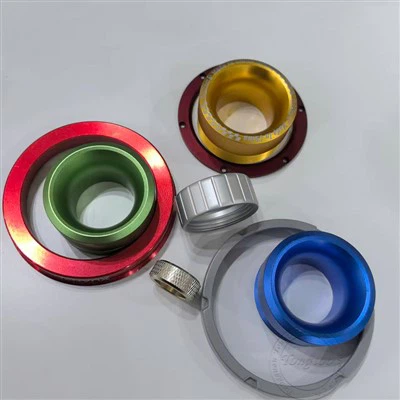
First off, what are die castings anyway? Die casting is a manufacturing process where molten metal is forced into a mold cavity under high pressure. This process is super popular because it can produce complex shapes with high precision and good surface finish. There are different types of die castings, like Precision Die Cast, Aluminum Alloy Die Casting, and Prototype Zinc Die Casting. Each type has its own unique properties and uses.
Now, let's talk about high - temperature applications. High - temperature environments can be found in a lot of industries, such as automotive, aerospace, and power generation. In these industries, components need to withstand extreme heat without losing their shape or mechanical properties. So, can die castings handle these conditions?
Material Matters
The type of material used in die casting plays a huge role in determining its suitability for high - temperature applications.
Aluminum Alloys
Aluminum alloy die castings are widely used due to their lightweight, good corrosion resistance, and relatively low cost. However, aluminum has a relatively low melting point compared to some other metals. Most aluminum alloys start to lose their strength at temperatures above 200 - 300°C (392 - 572°F). So, in applications where the temperature goes much higher, aluminum die castings might not be the best choice. But for some moderately high - temperature applications, like parts in automotive engines that don't reach extremely high temperatures, aluminum die castings can work just fine.
Zinc Alloys
Zinc alloys are another common choice for die casting. They have good fluidity, which allows for the production of complex shapes. But similar to aluminum, zinc has a relatively low melting point. Zinc die castings start to experience significant softening at around 150 - 200°C (302 - 392°F). So, for high - temperature applications, zinc die castings are usually not suitable, except for some very specific cases where the temperature doesn't exceed these limits.
Copper Alloys
Copper alloys are a better option for high - temperature applications. They have higher melting points and better heat resistance compared to aluminum and zinc. Copper die castings can withstand temperatures up to 500 - 600°C (932 - 1112°F) or even higher in some cases. They also have good electrical and thermal conductivity, which makes them suitable for applications in electrical and heat - transfer systems.
Steel and Iron
Steel and iron die castings are the go - to for extremely high - temperature applications. These materials have very high melting points and excellent mechanical properties at high temperatures. They can withstand temperatures well above 1000°C (1832°F). However, die casting with steel and iron is more challenging and expensive compared to other materials due to their high melting points and the need for special equipment.


Design Considerations
Even if you choose the right material, the design of the die casting also matters in high - temperature applications.
Thermal Expansion
When a die casting is exposed to high temperatures, it expands. If the design doesn't account for this thermal expansion, it can lead to stress, warping, or even cracking. For example, if a die - cast component is tightly fitted in a housing and there's no room for expansion, the stress caused by the expansion can damage the component. So, designers need to leave some clearance or use flexible connections to accommodate thermal expansion.
Heat Dissipation
In high - temperature applications, it's important to ensure that the die casting can dissipate heat effectively. This can be achieved through proper design features, such as fins or cooling channels. Fins increase the surface area of the component, allowing for better heat transfer to the surrounding environment. Cooling channels can be incorporated into the design to circulate a coolant, which helps to keep the temperature of the die casting under control.
Surface Treatments
Surface treatments can also improve the performance of die castings in high - temperature applications.
Coatings
Applying a high - temperature coating to the die casting can provide additional protection against heat, oxidation, and corrosion. There are different types of coatings available, such as ceramic coatings and thermal barrier coatings. Ceramic coatings can withstand high temperatures and provide good insulation, while thermal barrier coatings can reduce the heat transfer to the underlying material.
Heat Treatment
Heat treatment can also enhance the mechanical properties of die castings at high temperatures. For example, annealing can relieve internal stresses and improve the ductility of the material, making it more resistant to cracking under high - temperature conditions.
Real - World Examples
Let's look at some real - world examples to see how die castings are used in high - temperature applications.
Automotive Industry
In the automotive industry, die castings are used in various high - temperature components. For example, some engine parts, such as cylinder heads and pistons, are made from aluminum or copper alloys. These parts need to withstand the high temperatures generated during the combustion process. In some high - performance engines, steel or iron die castings are used for components that require even higher heat resistance.
Aerospace Industry
The aerospace industry has very strict requirements for high - temperature materials. Die castings made from high - strength alloys, such as titanium or nickel - based alloys, are used in components like turbine blades and engine casings. These materials can withstand the extremely high temperatures and pressures encountered in aerospace applications.
Conclusion
So, can die castings be used in high - temperature applications? The answer is yes, but it depends on the material, design, and surface treatments. If you choose the right material, design the component properly, and apply the appropriate surface treatments, die castings can perform well in high - temperature environments.
If you're in the market for die castings for high - temperature applications, we're here to help. We have a wide range of die casting options, and our team of experts can work with you to find the best solution for your specific needs. Whether you need Precision Die Cast, Aluminum Alloy Die Casting, or Prototype Zinc Die Casting, we've got you covered. Don't hesitate to reach out and start a conversation about your project.
References
- "Die Casting Handbook" by J. Campbell
- "Materials Science and Engineering: An Introduction" by W. D. Callister, Jr. and D. G. Rethwisch