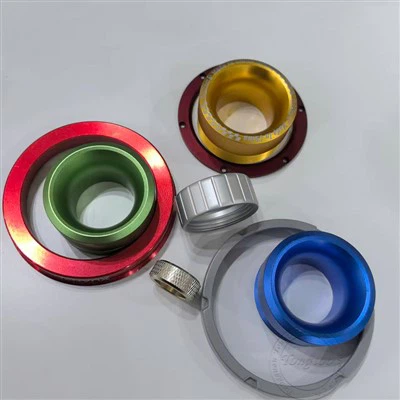
Hey there! I'm a supplier of CNC small aluminum parts, and I know firsthand how frustrating it can be to deal with corrosion. Corrosion not only affects the appearance of these parts but also their functionality and lifespan. In this blog, I'll share some practical tips on how to prevent corrosion of CNC small aluminum parts.


Understanding the Causes of Corrosion
Before we jump into prevention methods, it's important to understand what causes corrosion in the first place. Aluminum is a reactive metal, and when it comes into contact with certain substances, it can start to corrode. The most common causes of aluminum corrosion include:
- Moisture: Aluminum reacts with water to form aluminum oxide, which can lead to corrosion over time. High humidity environments or exposure to water can accelerate this process.
- Chemicals: Certain chemicals, such as acids, alkalis, and salts, can react with aluminum and cause corrosion. For example, exposure to saltwater can be particularly damaging to aluminum parts.
- Galvanic Corrosion: When aluminum is in contact with a more noble metal (such as copper or stainless steel) in the presence of an electrolyte (like water), galvanic corrosion can occur. This happens because of the difference in electrical potential between the two metals.
Prevention Methods
Surface Treatment
One of the most effective ways to prevent corrosion is through surface treatment. There are several types of surface treatments available for aluminum parts:
- Anodizing: Anodizing is a process that creates a protective oxide layer on the surface of the aluminum. This layer is much thicker and more durable than the natural oxide layer, providing excellent corrosion resistance. Anodized aluminum parts are also more resistant to wear and can be dyed in a variety of colors. CNC Precision Turned Components often benefit from anodizing to enhance their corrosion resistance.
- Powder Coating: Powder coating involves applying a dry powder to the surface of the aluminum part and then baking it to form a hard, protective coating. This coating not only provides corrosion protection but also gives the part a nice finish. It's a popular choice for many CNC small aluminum parts, including CNC Plasma Parts.
- Painting: Painting can also be used to protect aluminum parts from corrosion. A high-quality paint can act as a barrier between the aluminum and the environment, preventing moisture and chemicals from reaching the surface.
Proper Storage and Handling
How you store and handle your CNC small aluminum parts can also have a big impact on their corrosion resistance. Here are some tips:
- Keep Them Dry: Make sure to store your parts in a dry environment. If possible, use a dehumidifier to control the humidity levels. Avoid storing parts in areas where they are likely to come into contact with water, such as near sinks or in damp basements.
- Separate from Other Metals: To prevent galvanic corrosion, keep your aluminum parts separate from other metals. If you need to store them together, use a non-conductive material, such as plastic or rubber, to separate them.
- Handle with Care: When handling aluminum parts, be careful not to scratch or damage the surface. Scratches can expose the underlying metal to the environment, increasing the risk of corrosion.
Use of Corrosion Inhibitors
Corrosion inhibitors are chemicals that can be added to the environment or applied directly to the aluminum parts to prevent corrosion. There are different types of corrosion inhibitors available, including:
- Vapor Phase Inhibitors (VPIs): VPIs are chemicals that release a vapor that forms a protective layer on the surface of the aluminum. They are often used in packaging materials to protect parts during storage and transportation.
- Liquid Corrosion Inhibitors: These inhibitors can be applied directly to the surface of the aluminum parts. They work by forming a protective film that prevents moisture and chemicals from reaching the metal.
Maintenance and Inspection
Regular maintenance and inspection are crucial for preventing corrosion. Here's what you can do:
- Clean the Parts Regularly: Use a mild detergent and water to clean the aluminum parts. Avoid using abrasive cleaners or tools that can scratch the surface. After cleaning, dry the parts thoroughly to prevent moisture from lingering.
- Inspect for Signs of Corrosion: Regularly check your parts for any signs of corrosion, such as discoloration, pitting, or flaking. If you notice any signs of corrosion, take action immediately to prevent it from spreading.
- Repair Damaged Surfaces: If you find any scratches or damage to the surface of the parts, repair them as soon as possible. You can use a touch-up paint or a corrosion-resistant coating to cover the damaged area.
Conclusion
Preventing corrosion of CNC small aluminum parts is essential for maintaining their quality and functionality. By understanding the causes of corrosion and implementing the prevention methods outlined in this blog, you can significantly extend the lifespan of your parts. Whether you're using CNC Precision Turned Components, CNC Plasma Parts, or 5 Axis Machined Parts, taking these steps will help you keep your parts in top condition.
If you're interested in purchasing high-quality CNC small aluminum parts or have any questions about corrosion prevention, feel free to reach out and start a conversation. We're here to help you find the best solutions for your needs.
References
- ASM Handbook, Volume 13A: Corrosion: Fundamentals, Testing, and Protection
- Aluminum Association: Corrosion of Aluminum and Aluminum Alloys