


Robotic Joint Housings
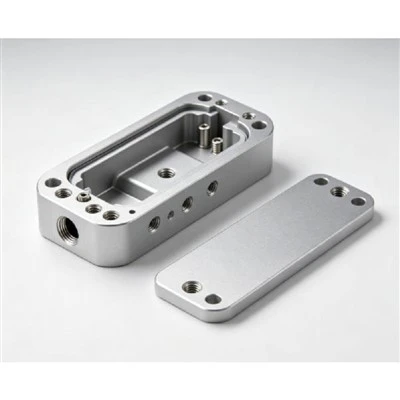
Robotic Joint Housings are CNC machined structural components used to support and protect internal robotic joint assemblies. They provide mounting interfaces for motors, reducers, bearings, sensors, and connection structures within robotic motion systems.
Parts are manufactured from aluminum alloys such as 6061, 6063, and 7075 according to engineering drawings, 3D CAD models, or sample components. Typical machining features include bearing bores, motor mounting surfaces, threaded holes, positioning areas, cable passages, and internal cavities.
Custom dimensions, interface designs, surface finishes, and structural configurations can be produced according to robotic assembly requirements.
Structural Design Features
Motor Mounting Interfaces
Machined mounting surfaces provide accurate positioning for motor installation. Hole patterns, locating features, and connection areas are processed according to assembly requirements to support stable integration.
Bearing Installation Areas
Bearing seats require controlled machining accuracy to maintain proper alignment between rotating components. Bore dimensions and positioning surfaces are produced according to specified tolerances.
Compact Internal Structures
Housing designs can include internal pockets, cable routing channels, and lightweight structures to accommodate limited installation space while maintaining mechanical support.
Material Selection
Aluminum Alloy Options
Material selection depends on structural strength, weight requirements, machining conditions, and application environment.
|
Material |
Tensile Strength Range |
Density |
Typical Application |
|
6061 Aluminum |
260-310 MPa |
2.70 g/cm³ |
General robotic joint housings |
|
6063 Aluminum |
180-250 MPa |
2.70 g/cm³ |
Lightweight housing structures |
|
7075 Aluminum |
450-540 MPa |
2.81 g/cm³ |
Higher strength joint components |
Aluminum alloys provide a balance of machinability, dimensional stability, and structural performance for robotic mechanical parts.
CNC Machining Capabilities
Multi-Side Machining
CNC machining supports complex housing geometries with multiple mounting faces, angled surfaces, and integrated structural features.
Precision Feature Processing
Machining operations include milling, drilling, tapping, boring, and pocketing for functional areas such as bearing locations, threaded connections, and positioning surfaces.
Production Process Control
Manufacturing processes include engineering review, machining preparation, dimensional inspection, and production verification for consistent part quality.
Technical Specifications
|
Item |
Specification |
|
Material Options |
Aluminum 6061, 6063, 7075 |
|
Machining Process |
CNC milling, drilling, tapping, boring, pocket machining |
|
Typical Tolerance |
±0.01 mm to ±0.05 mm based on design requirements |
|
Maximum Machining Structure |
Multi-side surfaces, internal cavities, precision interfaces |
|
Surface Treatment |
Anodizing, powder coating, painting, electroplating |
|
Production Method |
Prototype, small batch, repeat production |
|
Inspection Method |
Dimensional inspection, first article inspection, process verification |
Quality Control
Critical Dimension Inspection
Important dimensions including bearing bores, mounting holes, and locating surfaces are inspected according to engineering specifications.
Assembly Interface Verification
Functional areas are checked to ensure proper matching with related mechanical components during assembly.
Production Record Management
Inspection results and process information are maintained for production tracking and repeat manufacturing requirements.
Application Areas
Industrial Robotic Joints
Robotic joint housings support internal mechanical assemblies where motor installation, bearing positioning, and structural connection are required.
Collaborative Robotic Systems
Lightweight aluminum housings are used in compact robotic structures requiring controlled weight and accurate component integration.
Automated Motion Equipment
Custom housings are applied in robotic mechanisms, precision movement systems, and automated equipment assemblies.
Customization Options
Drawing-Based Manufacturing
Production can follow customer-provided engineering drawings, CAD models, or sample parts for customized housing development.
Structural Modification
Mounting patterns, interface locations, internal cavities, and cable routing structures can be adjusted according to equipment design requirements.
Surface Treatment Selection
Surface finishes can be selected according to corrosion protection, appearance requirements, and functional assembly conditions.
Supplier Evaluation Factors
Engineering Communication
Clear technical discussion helps confirm material selection, machining requirements, critical dimensions, and production methods before manufacturing.
Manufacturing Capability
Evaluation should focus on experience with precision aluminum machining, complex structures, and repeat production control.
Quality Management
Inspection procedures, process records, and dimensional verification provide production visibility throughout manufacturing.
Procurement Information
Technical Information Required
For project evaluation, customers usually provide:
● 3D CAD models
● Engineering drawings
● Material specifications
● Surface treatment requirements
● Critical tolerance information
● Production quantity requirements
Manufacturing Workflow
The typical process includes design review, material preparation, CNC machining, surface treatment, inspection, and shipment preparation.
FAQ
Q: What materials are used for robotic joint housings?
A: Common materials include aluminum alloys such as 6061, 6063, and 7075. Selection depends on strength requirements, weight control, and machining conditions.
Q: Can robotic joint housings be customized from CAD files?
A: Yes. Components can be produced according to 3D models, engineering drawings, or sample parts.
Q: What machining features are commonly required?
A: Typical features include bearing bores, motor mounting surfaces, threaded holes, positioning areas, and cable routing structures.
Q: What surface treatments are available for robotic housings?
A: Available treatments include anodizing, powder coating, painting, and electroplating according to functional requirements.
Q: How is machining consistency maintained?
A: Consistency is supported through controlled machining processes, dimensional inspection, and production verification procedures.
Hot Tags: robotic joint housings, China robotic joint housings manufacturers, suppliers, factory, 4 axis cnc machining, 5 axis cnc s, 5 axle cnc, axis of cnc, cnc milling and cnc turning, cnc production machining
Previous
Robotic Arm LinksNext
No InformationYou Might Also Like


Send Inquiry